
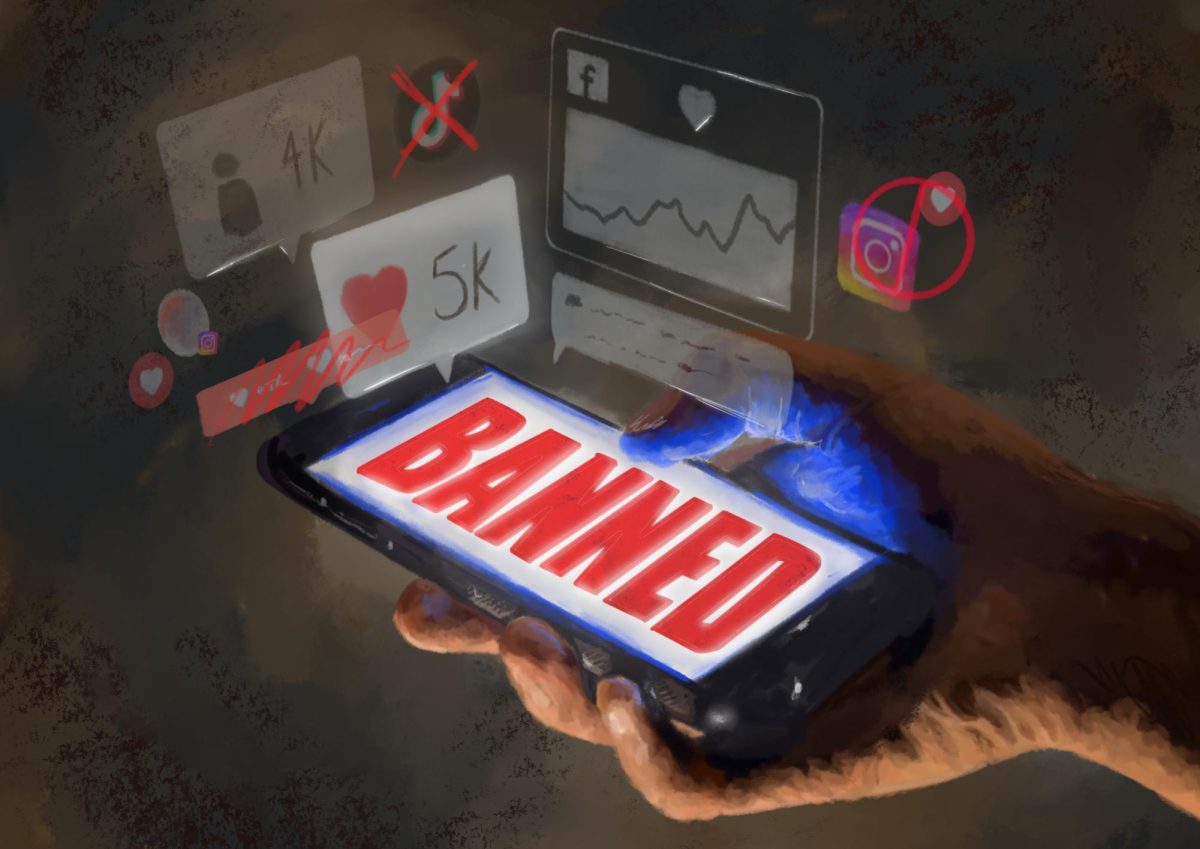
By December 10th of this year, Australia will become the first in the world to enforce a ban from social media for all users under 16. The government claims this is about protecting young people from harmful content, cyberbullying, and the pressures of online scrutiny. Platforms like TikTok, Instagram, YouTube, and Snapchat will now be required to prevent under‑16s from creating accounts, or risk facing fines up to $49.5 million, while gaming platforms and certain messaging apps remain accessible, while gaming platforms and certain messaging apps remain accessible.
On paper, it sounds sensible. Social media can be a minefield. From predatory behaviour to harmful challenges, and viral clout-chasing, there is no denying the risks. The government argues that delaying access gives young users time to develop digital literacy and resilience before entering these spaces.
But the ban raises questions the policy does not answer. Social media is not just entertainment. It is where teens connect, build friendships, and form identity. Cutting off access risks isolating young people from their peers at a critical stage in their social development. For many, online spaces are also where creativity, entrepreneurship, and community flourish. Teen content creators, student groups, and small online businesses now face an uncertain future, with platforms suddenly out of reach.
The law may also push teens toward less regulated spaces. As TikTok, Snapchat, and Instagram are blocked, what is stopping under‑16s from migrating to Discord servers, Roblox, or other anonymous online sites with minimal oversight? By attempting to protect kids, the ban could paradoxically place them in even riskier environments, where content moderation is weak, exploitation is harder to report, and digital literacy education is nonexistent.
Privacy and equity are also concerns. Age verification methods could require government IDs, raising questions about data security. The ban also sidesteps the role of parents and guardians, who are arguably in the best position to guide their children through online life.
Australia being first in the world does not automatically mean it is leading in a good way. The human rights perspective is clear. Restrictions should be lawful, necessary, and proportionate. Blanket bans rarely meet that standard. Teenagers have a growing capacity to make decisions about their own lives and excluding them entirely from online platforms silences their voices rather than empowering them.
Ultimately, online safety is vital, but a policy that locks teens out entirely is not the solution. The real challenge is building safer, more responsible digital spaces while listening to the young people who use them every day. Protection without consultation is not safety, it is exclusion. As the ban approaches, the question remains: is Australia really protecting its youth, or simply cutting them off from connection?
Sources:
https://www.unicef.org.au/unicef-youth/staying-safe-online/social-media-ban-explainer
https://humanrights.gov.au/about-us/news/proposed-social-media-ban-under-16s-australia
https://www.esafety.gov.au/about-us/industry-regulation/social-media-age-restrictions/faqs