




“24 Life Changing Hot Girl Habits To TRANSFORM Yourself in 2025.”
“I don’t care if you don’t like me, you don’t even like yourself”
“How to detach.”
“How to be his dream girl.”
“Manifest the love you deserve.”
“How to analyse people & see through their masks”
“How to become unforgettable.”
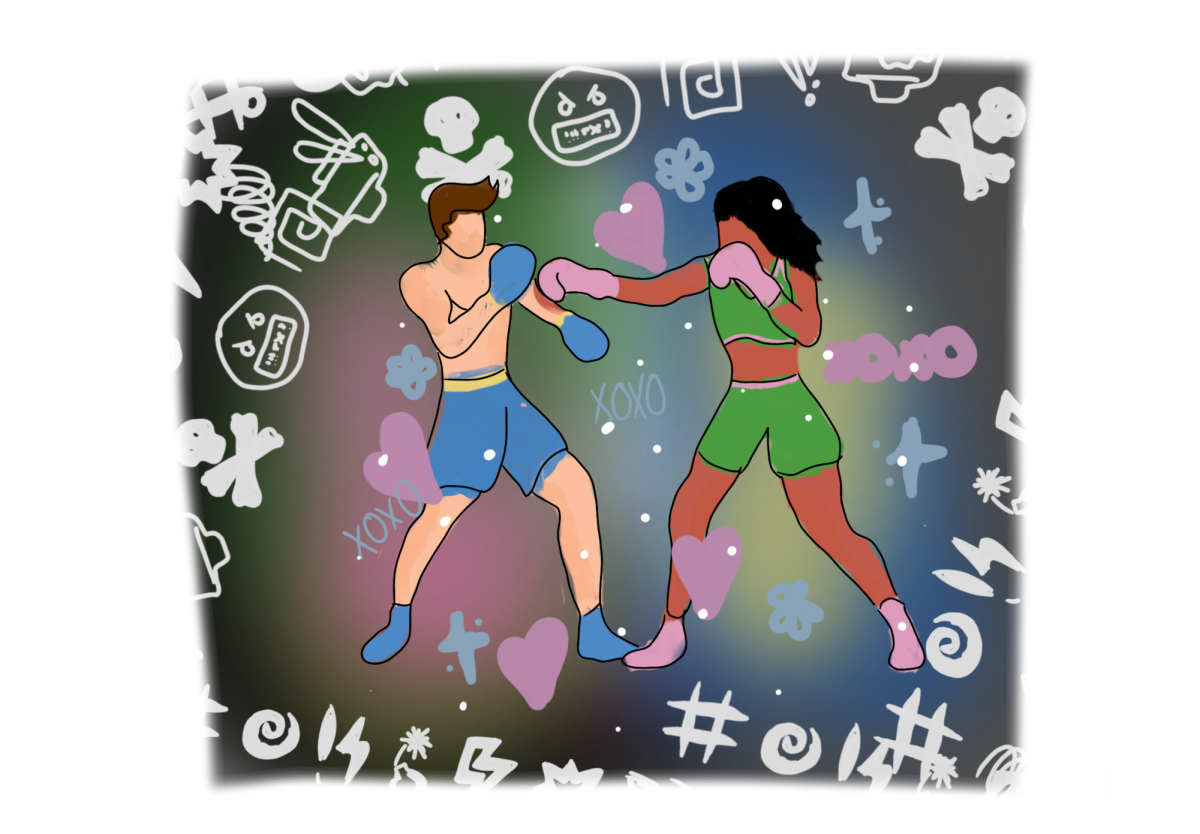
I believe it is totally reasonable to state that we are living in a period where males with mics and their hostile philosophy have almost fully taken over our most mainstream, accessible self-help, and women have felt a neoteric sense of urgency in fighting for those spots. This extremely niche genre of content has found an audience among young women online, most of which I would imagine are teenage girls to those in their 20s, nevertheless typically those who are vulnerable or seeking quick magic fixes for their complex personal issues. However, much like the toxic side of men’s self-help content, I’ve noticed that most of these ‘hot girl self-help videos’ are just conventionally attractive females who wind up portraying themselves in hyper-gendered ways to appeal to their audience.
For example, take the globally known “That Girl” trend (as well as the hundreds of other names it goes by). I’m sure just about every teenage girl, myself included, attempted this at least once in the past few years, if not multiple, multiple times. It took off on platforms like TikTok and basically showcases meticulously curated lifestyles, emphasising that productivity, beauty, and wellness are the magical keys to your happiness. Anyone who can’t achieve this is a “failure” and indirectly killing their value in life while everyone who can, works towards their best version of themselves. While ‘intended’ to inspire, these videos have more often than not lead to extremist negative self-comparisons and body dysmorphia among young women.
A quick scroll through my ‘for you’ page revealed that the majority of these videos follow a disgustingly repetitive formula: a ‘hot’ selfie as the thumbnail, a beguiling (but inherently vague) title, a couple of minutes max of aplomb advice filled with spiritual jargon that no one understands (and that has been thrown around the internet so much that it has lost its meaning), manifestation, and a shameless mention of their inevitable sponsorship.
What makes this all so interesting to me is how beauty itself becomes part of their authority, their credentials. It’s as if they’re saying, without shame: look at me, clearly, I’ve figured it all out, so you should trust every word I say. Because nothing screams expertise quite like being photogenic, right?
In this genre of content, pretty privilege turns into intellectual privilege. We assume that someone who’s so composed, so immaculately beautiful, must be doing some secret sorcery that the rest of us unaware of.
This is nothing new, of course, because beauty has always been associated with intellectual or moral influence in society. Beauty was frequently viewed in classical philosophy as the outward manifestation of moral excellence or internal intelligence. Beauty, particularly that of women, was portrayed as a sign of moral and spiritual purity during the Renaissance. Insofar as they conform to male-designed aesthetic standards, female figures have always been simultaneously idealised and moralised, viewed as containers of wisdom and purity. These contemporary “hot-girl gurus” are merely the continuation of these same ideas in the digital era.
There’s also something sinister about how these videos present socioeconomic disparities as issues to do with how the person has evolved themselves. Misogyny, instability, and loneliness are all simply failings of your own worldview, not the systems that enable them. If your boyfriend maltreats you horribly due to his own patriarchal standards, it’s because you didn’t appear insouciant enough to entice him to pursue you. Workplace exploitation occurs when you fail to set enough boundaries. The message is always that the person must change themselves rather than their circumstances.
To be explicit, I don’t believe watching these “hot-girl self-help” videos is intrinsically harmful (though some are clearly worse than others). Over the previous few years, I have naturally spent a lot of time drowning out my thoughts with them. There’s virtually nothing wrong with wanting to find yourself motivated or autonomous on occasion, but it gets problematic if this becomes your entire framework for self-understanding, as it was for me. When you begin to perceive the world through the prism of aesthetic self-improvement, you risk narrowing your perspective.
A healthier approach would be to regard this information as one tool among many. Develop a more diversified media diet. It’s acceptable to appreciate fast, feel-good motivating information on occasion, but keep it balanced with items that make you think. Read novels that question your preconceptions. Find artists who are QUESTIONING IDEAS. Most importantly, take some time to reflect without a device in front of you, learn to digest information critically!!
I believe it is equally vital to realise how these parasocial ties are biasing your perception of real humans, how them being so beautiful and “perfect” helps you trust her more than if she didn’t meet society’s ideal beauty standards. Being more conventionally attractive will not cause you to be smarter. So stop letting these videos passively shape you and put your trust and self-worth in something that is stable (*cough cough* Jesus *cough cough*)
I promise you, you can learn all of these skills just by BEING OUT IN THE WORLD. By having real conversations and forming true connections. By getting embarrassed, by saying the wrong thing, by getting hurt and moving on. Messing up doesn’t make you imperfect, it makes you human, so surround yourself with other humans who will follow the choppy ocean of life with you. And allow yourself to make your opinions and own strategies to thrive; never let someone else take the beauty of that away from you.