




As you all know, December marks the most wonderful time of the year. It’s not Easter, Thanksgiving or Halloween, it’s Christmas. It’s the time for giving out presents, having delicious feasts and somehow being forced to listen to loud Christmas songs that play on full blast in every shopping centre.
But no Christmas is ever Christmas without the most important thing of all: Christmas trees.
I don’t know about you, but I’ve never really been a fan of the fake Christmas trees, because you’re throwing money down a hole to receive a box of cheap plastic. The real Christmas trees are what appeal to me, because I know they were real trees that were once tiny seeds planted by gardeners.
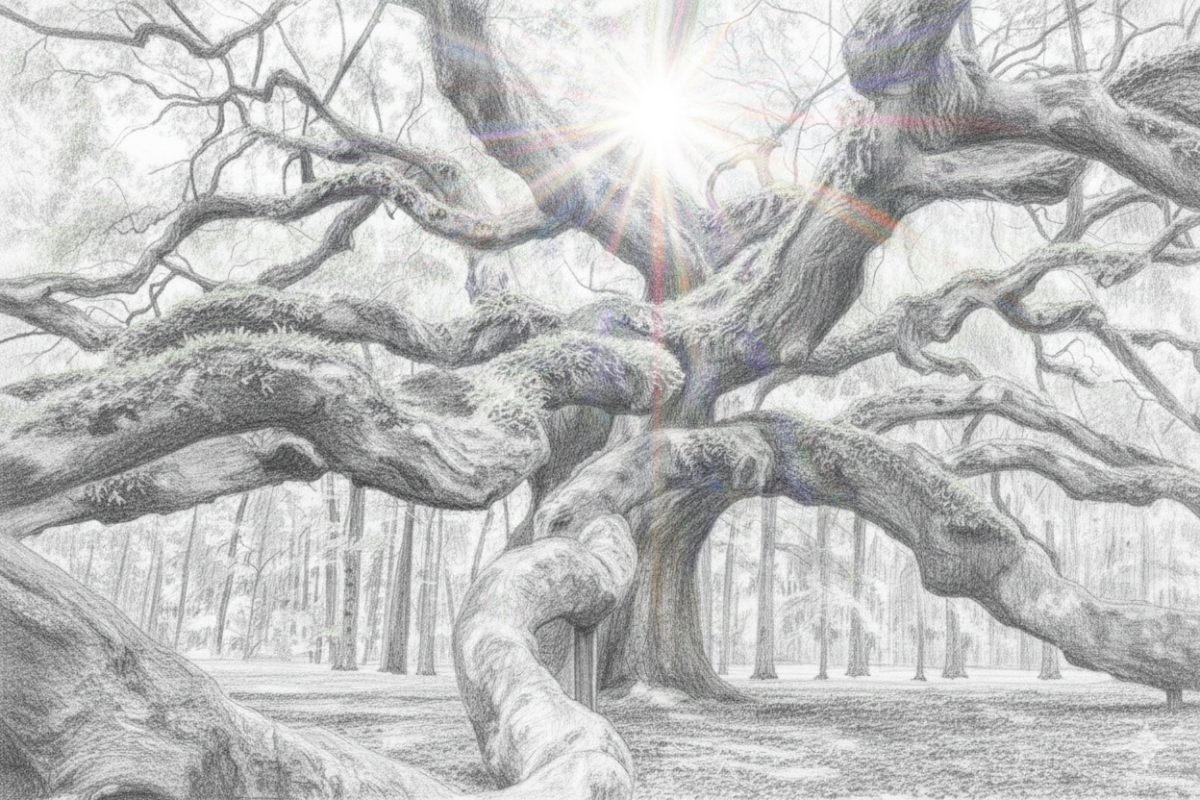
They have been watered, fertilised and grown to a commendable height with beautiful, long branches. These branches are valuable because they become the foundation on which lights, decorations and ornaments of all sorts can be hung.
Just as the branches of a Christmas tree are valued for festive decorations, so too are the branches of grapevines valued for their ability to bear fruit and eventually produce wine.
But among this vineyard of grape vines, one vine stands out. This vine is the true vine, and in John 15, Jesus proclaims that he is the true vine.
Read with me from verse 1: “I am the true vine, and my Father is the gardener.”
This vine is not ordinary. It is distinct, unique and set apart from the others. It has a secure foundation and is the most valued because it has been planted by God, for “the Father is the gardener.” The true vine—Jesus—comes from God and has been planted for a purpose: to bear fruit.
But what does this mean?
Let’s look at the continuation of the metaphor in verse 2: “He cuts off every branch in me that bears no fruit, while every branch that does bear fruit he prunes so that it will be even more fruitful.”
Not only is the true vine distinct, but it is shaped and cared for by God for the purpose of fruitfulness. He removes what is unfruitful so the vine may grow, just as Jesus’ teachings continue to spread God’s Word. This is the meaning of “bearing fruit”—the nurture and growth of faith so it becomes useful in encouraging others.
The true vine also encourages its branches to remain in him:
“You are already clean because of the word I have spoken to you. Remain in me, as I also remain in you. No branch can bear fruit by itself; it must remain in the vine. Neither can you bear fruit unless you remain in me.”
These branches thrive without impurity because they are part of the true vine. They must remain connected, because no branch can bear fruit on its own. You can’t cut off a grapevine branch and expect it to grow grapes.
The next verses give clarity (verse 5):
“I am the vine; you are the branches. If you remain in me and I in you, you will bear much fruit; apart from me you can do nothing. If you do not remain in me, you are like a branch that is thrown away and withers.”
Not only is Jesus the true vine, but we are the branches. We are part of his vine for a purpose—to grow in Christ and to bear fruit by sharing God’s love with others.
Yet this depends on remaining in the vine. To remain in Jesus is to set our foundation on him and rely on him. Without this connection, we cannot bear fruit. A broken branch is not useful; it withers and is burned. These are like those who hear God’s word but deny its foundation and cannot share his love.
But there is hope for those who remain in the true vine (verse 7):
“If you remain in me and my words remain in you, ask whatever you wish and it will be done for you.”
Remaining in Christ means trusting that his love and truth remain in us. This “asking” is not like asking for Christmas presents. It is asking for what we need spiritually so we can bear fruit for others and live as disciples.
Through this fruit, we are called to love one another:
“As the Father has loved me, so have I loved you. Now remain in my love… My command is this: Love each other as I have loved you.”
We love not because we first loved God, but because he first loved us. We are not servants under obligation—we are friends chosen by God to bear lasting fruit.
So how do we apply this passage? Two key ideas guide us:
- Rely on Jesus as the true vine.
To rely on Jesus is to trust his foundation and centre him in our thoughts, attitudes and decisions. Even when life feels difficult, we cling to the vine that holds us. Remaining in his love gives comfort and confidence through all things.
- Bear fruit for others.
Being part of the true vine means producing fruit. Jesus set a foundation of love in us, so we share that love with others—through the gospel, through prayer, through inviting friends to GLO. These actions strengthen our connection to Jesus and help others grow too.
So next time you see a real Christmas tree, pause and admire its branches. Remember that you too are a branch connected to Jesus—the foundation of your life. Remember that you are loved by a Father and a friend. Then think about what fruit you can bear: love, kindness and encouragement for the friends around you.
All of this is possible because Jesus is your true vine.